
If you’ve recently had one installed and found yourself standing in the garage staring at it, wondering how do smart meters work, you’re most certainly not alone.
Across Queensland and beyond, the rollout of the new digital meters has been steady, and while they’re a big step forward for energy management, they can feel a little mysterious at first. One day, you’ve got the old spinning dial, the next, there’s a sleek digital box quietly doing its thing and sending information somewhere you can’t see.
So let’s break it down properly with a clear explanation from a friendly electrician’s point of view!
What is a smart meter?
At its simplest, a smart meter is a digital electricity meter that records your energy usage in near real time and communicates that data back to your energy retailer automatically.
Unlike the old analogue meters that required someone to physically read them every few months, smart meters transmit usage data remotely. That means:
- No more estimated bills.
- More accurate tracking of when you use power.
- Better visibility if you’re on time-of-use tariffs.
- Faster fault detection in some cases.
They’re not new technology globally, but they are definitely becoming standard across Queensland as part of modern energy network upgrades.
And yes – if you’ve been asking how do electricity smart meters work, we’re getting there…
How do smart meters work? (Step by step)
Here’s where we slow it down and walk through it properly.
1. They measure your electricity usage digitally
Inside the meter are electronic sensors that continuously monitor the flow of electricity entering your home.
Instead of a spinning disc like older meters, smart meters use solid-state electronics to measure voltage and current. That data is converted into digital readings – typically recorded in intervals (often every 15 or 30 minutes).
This interval data is what allows energy retailers to understand not just how much power you use, but when you use it.
2. They store short-term data securely
The meter temporarily stores usage information in its internal memory. This data isn’t public and it’s not accessible to random third parties – it’s encrypted and managed under strict network regulations.
So no, your neighbour isn’t peeking at your usage patterns!
3. They transmit data remotely
This is the part that makes them “smart”.
The meter sends data back to the electricity distributor using secure communication networks – often via mobile network technology (similar to a SIM card inside the unit).
That’s why manual meter readings are no longer required. It also means connection, disconnection, and some diagnostics can sometimes be performed remotely.
When people ask how do the new smart meters work, this remote communication feature is usually the biggest difference compared to the old systems.
4. They enable time-of-use billing
Because smart meters record usage at specific times of the day, retailers can offer flexible pricing structures.
For example:
- Peak rates in the evening.
- Lower rates during the day.
- Off-peak rates overnight.
This can work in your favour if you run appliances strategically – like charging electric vehicles or running pool pumps during off-peak periods.
5. They help identify faults faster
From a network perspective, smart meters improve visibility. If there’s a supply issue, voltage irregularity, or outage, the distributor can often detect it sooner.
That doesn’t mean they fix problems automatically – but it does mean fault reporting can be more efficient.
Do smart meters affect safety?
Short answer: no.
Smart meters are installed under strict Australian standards and network guidelines. From an electrician’s perspective, they don’t increase risk when installed correctly. In fact, in some situations they provide better oversight of supply quality.
If you ever notice:
- Flickering lights
- Unexplained power interruptions
- Switchboard issues after a meter changeover…
… it’s typically unrelated to the meter itself – but it’s still worth having a licensed electrician check the installation and surrounding components.
What about water & gas smart meters?
Electricity isn’t the only service going digital.
Many people also ask:
- How do smart water meters work?
- How do gas smart meters work?
The concept is similar – digital measurement combined with remote data transmission – but the technology inside differs depending on whether it’s measuring water flow, gas pressure, or electrical load. The principle, though, is the same – accurate interval data sent back automatically.
Why are they being rolled out?
Super short answer: Energy networks are modernising.
Smart meters support:
- Renewable energy integration.
- Solar export monitoring.
- Electric vehicle charging demand.
- More accurate billing.
- Reduced operational costs for distributors.
As Queensland’s grid evolves – especially with more rooftop solar – having detailed usage data becomes increasingly important.
Common questions after installation
It’s normal to wonder:
- Why does my bill look different?
- Why is there no spinning wheel anymore?
- Why does the display cycle through numbers?
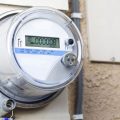
The digital display often rotates through different readings – total consumption, tariff rates, and sometimes export figures if you have solar. If you’re unsure what you’re looking at, your retailer can explain the billing side, but an electrician can explain the hardware side.
Need advice about your switchboard or meter setup?
Smart meters aren’t something most people asked for – they just appeared – which is probably why there’s so much curiosity around them. But once you understand that they’re essentially digital tracking devices for electricity usage with secure communication built in, they’re far less mysterious.
They don’t spy on you.
They don’t change how your appliances work.
They simply measure usage more accurately and send it automatically.
If you’ve recently had a smart meter installed and have questions, the team at Static Electrics can help. Our licensed electricians service Brisbane and the Sunshine Coast, offering expert advice, upgrades, and electrical solutions tailored to modern energy systems.
If something doesn’t look right – or you just want peace of mind – contact us. We’re always happy to talk it through properly.